


TRI: 2021 review shows signs of recovery!

The annual review of the TRI-Genotoul network has proved positive, highlighting in particular strengths in terms of multidisciplinarity and the complementarity of sites, right at the heart of the very raison d'être of this network. Recent acquisitions, supported by dynamic personnel, to be developed on the site shortly (OCCIGEN project, MeTI, etc.), have made it possible to increase the instrumental richness on offer [...]
21st RIME Characterisation Technology Days 🗓 🗺

The RIME (Electron Microscopy Imaging Network, formerly RCCM) is soon organising its annual conference, which will be an opportunity to review the latest advances in electron microscopy and more specifically in molecular and chemical localisation techniques. This event is being held in partnership with TRI-Genotoul and the CMEAB electron microscopy facility. Information & [...]
Vibrational imaging (CARS/SRS)
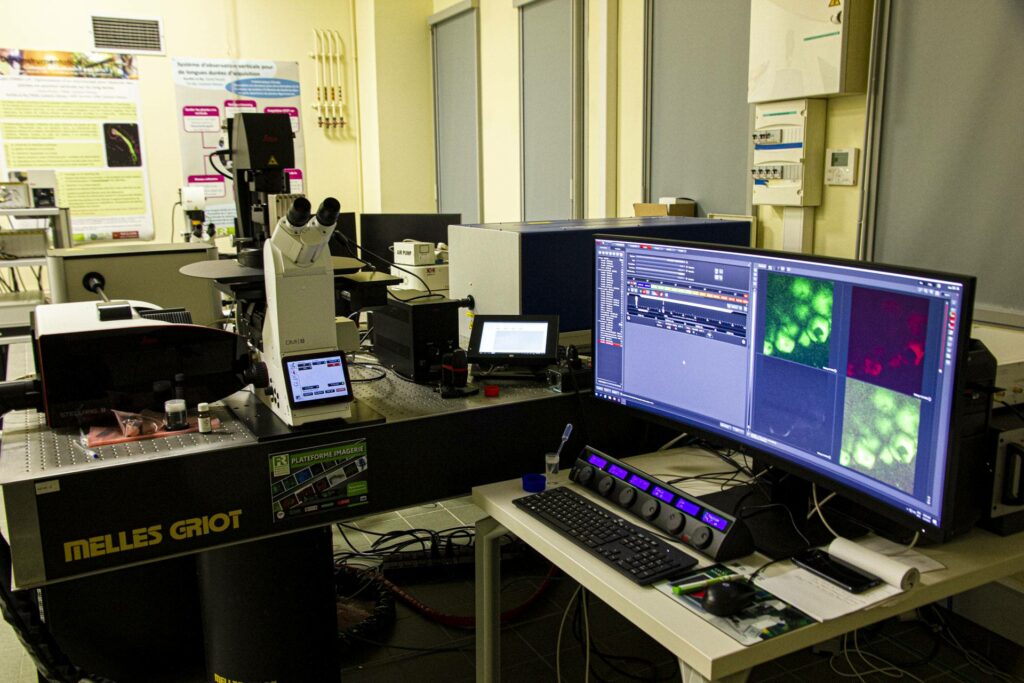
Based on vibrational imaging (Coherent Anti-Stokes Raman Scattering, or stimulated Raman scattering microscopy), the new equipment acquired by the FR AIB imaging platform will make it possible to obtain images of chemical compounds within biological samples, without prior labelling. This is a point of particular importance when it comes to distinguishing lipids... […]
Latest generation of cryo-EM in the METi technical facilities
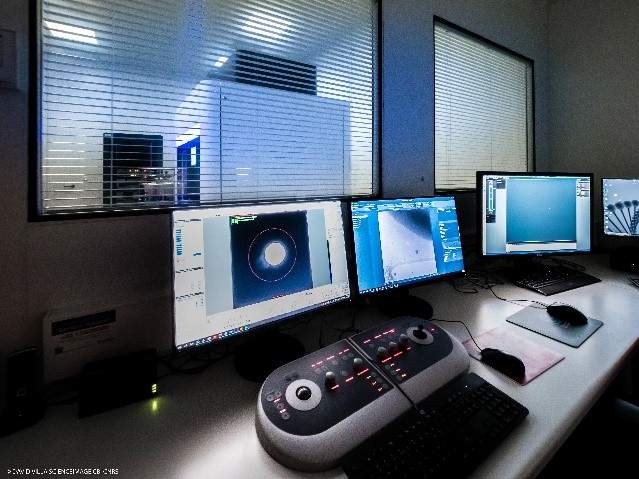
The METi platform now houses a fully automated cryo-electron microscope (Talos Arctica, ThermoFisher Scientific) equipped with a direct electron detection camera coupled to an energy loss filter (K2 summit BioQuantum, Gatan). This transmission electron microscope, dedicated to high-resolution/high-throughput observation of biological and organic samples frozen in amorphous ice, is now fully operational. One […]
State-of-the-art cryo-EM at METi
The METi platform is now home to a fully automated cryo-electron microscope (Talos Arctica, ThermoFisher Scientific) equipped with a direct electron detection camera coupled to an energy filter (K2 summit BioQuantum, Gatan). This transmission electron microscope, dedicated to the high-resolution/high-throughput observation of biological and organic samples frozen in amorphous ice […]
CELL: identification of the blood vessels that allow killer lymphocytes to access tumours
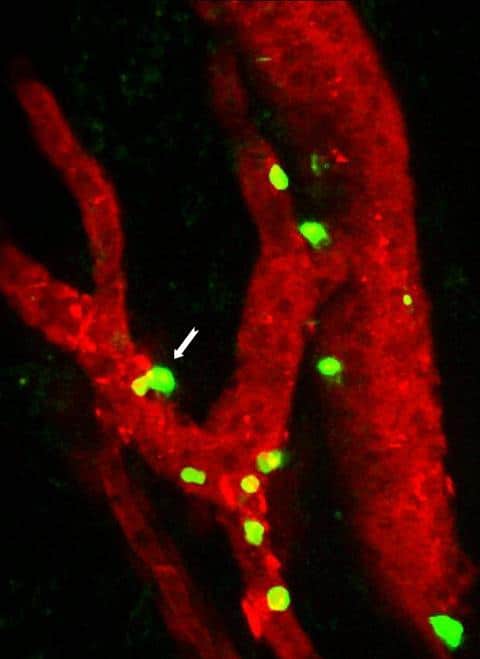
As part of a publication in the journal Cancer Cell, a team from the IPBS, with the assistance of the imaging platform and the Gustave Roussy Institute, has discovered the essential role played by specific blood vessels, known as HEV vessels, in the response to immunotherapy and the infiltration of ‘killer’ T lymphocytes into tumours. The […]
Highlight in imaging: 3rd Edition
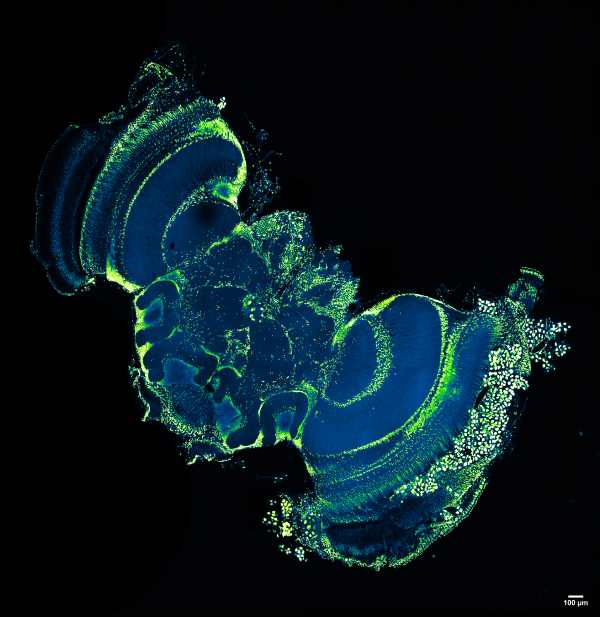
After the sanitary break, the Highlight Imaging Day is back! This meeting will be an opportunity to discuss the latest advances in the field of imaging in a friendly atmosphere. The Toulouse Réseau Imagerie (TRI) platform is renewing this scientific half-day on advances in life imaging. Living organisms imaging is undergoing considerable development as a result […]
A new Aurora CS spectral cell analyser / sorter at the I2MC
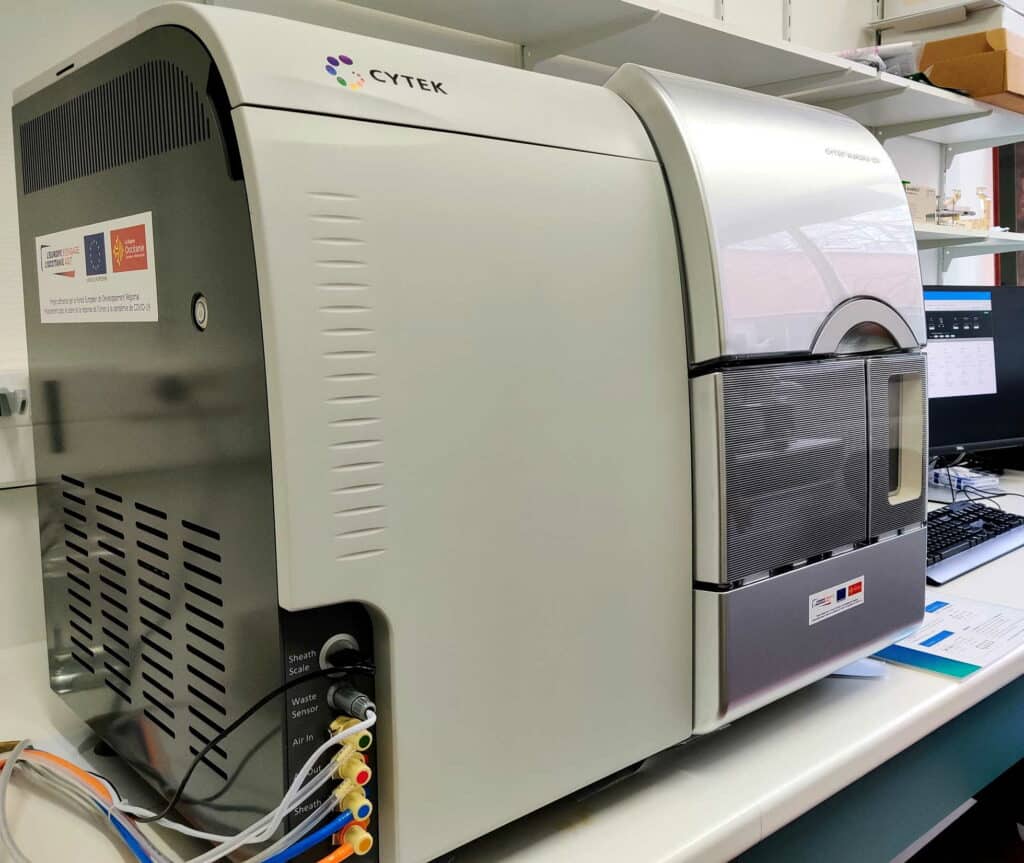
In December 2021, the I2MC Cytometry facility (TRI-Genotoul) will welcome a new Aurora CS spectral cell analyser/sorter from Cytek. This new equipment, open to the Toulouse scientific community, both academic and private, combines the multiparametric analysis capabilities of conventional cytometry whilst eliminating the need for compensation and...
Identification of key adaptations for the persistence of tuberculosis bacilli
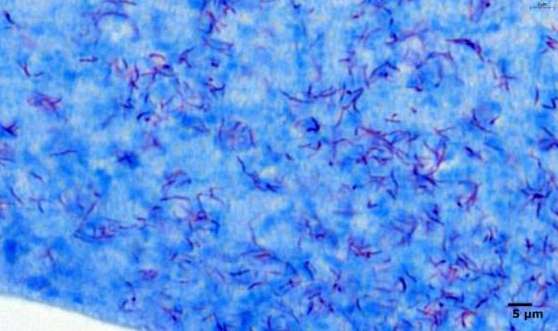
Tuberculosis is an infectious disease that still kills 1.5 million people a year worldwide. The bacterium responsible for this disease probably emerged, through successive adaptations of already existing metabolic pathways, from a relative already present in the environment. By succeeding in reproducing this evolution in the laboratory, researchers have managed to […]
Identification of key adaptations for host persistence of TB bacilli
Tuberculosis is an infectious disease that still kills 1.5 million people per year worldwide. The causative bacteria probably emerged from an environmental source through adaptations of already existing metabolic pathways. By replicating this evolution in the laboratory, the researchers were able to identify mutations in the bacterial genome that favour persistence in the host lungs. […]