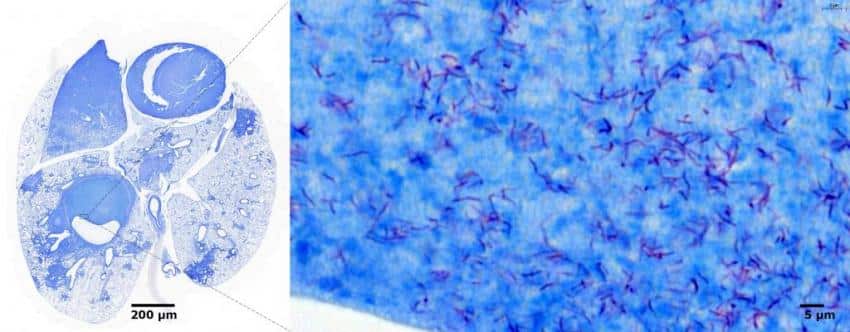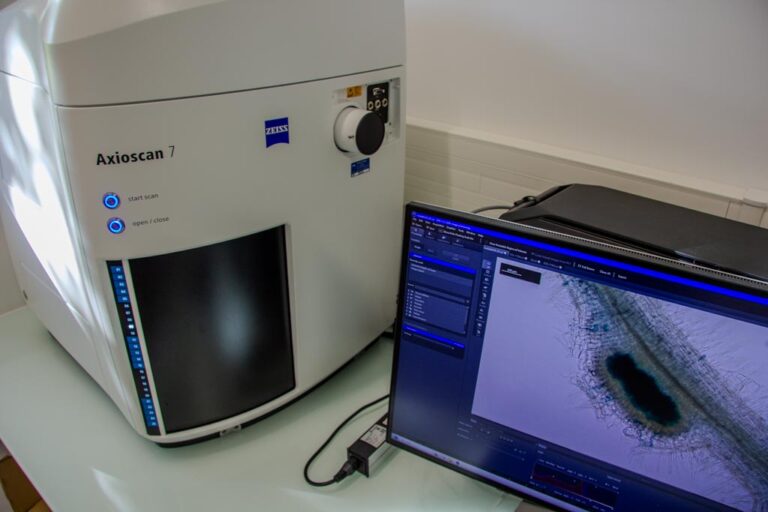


Tuberculosis is an infectious disease that still kills 1.5 million people a year worldwide. The bacterium responsible for this disease probably emerged, through successive adaptations of already existing metabolic pathways, from a relative already present in the environment. By succeeding in reproducing this evolution in the laboratory, researchers have managed to identify the mutations in the bacterial genome that favour the persistence of this «evolved» bacterium within the host's lungs: these enable it, amongst other things, to better resist the immune response. The IPBS imaging platform, which was involved in this study, carried out the image analysis phases. The revelation of these adaptation pathways opens up new avenues of research in the fight against this disease. The results of this study are published on 23 July in the journal Nature Microbiology.