Axioscan7 blade scanner at the FRAIB
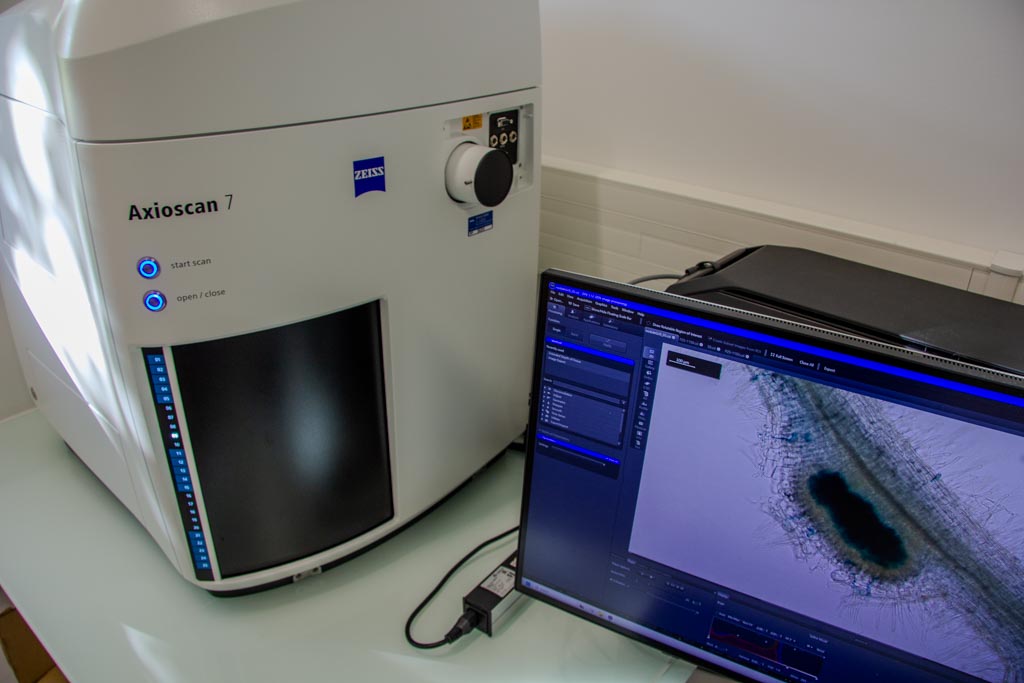
The FRAIB platform recently acquired a new Axioscan7 blade scanner from Zeiss. It allows for the scanning of up to 100 blades at 20x or 40x magnification. Able to automatically detect objects on the blades, it then adjusts the focus and starts the large-scale scanning of the samples. Currently capable of imaging […]
FP7000 Spectral Shooter at INFINITY 🗓 🗺
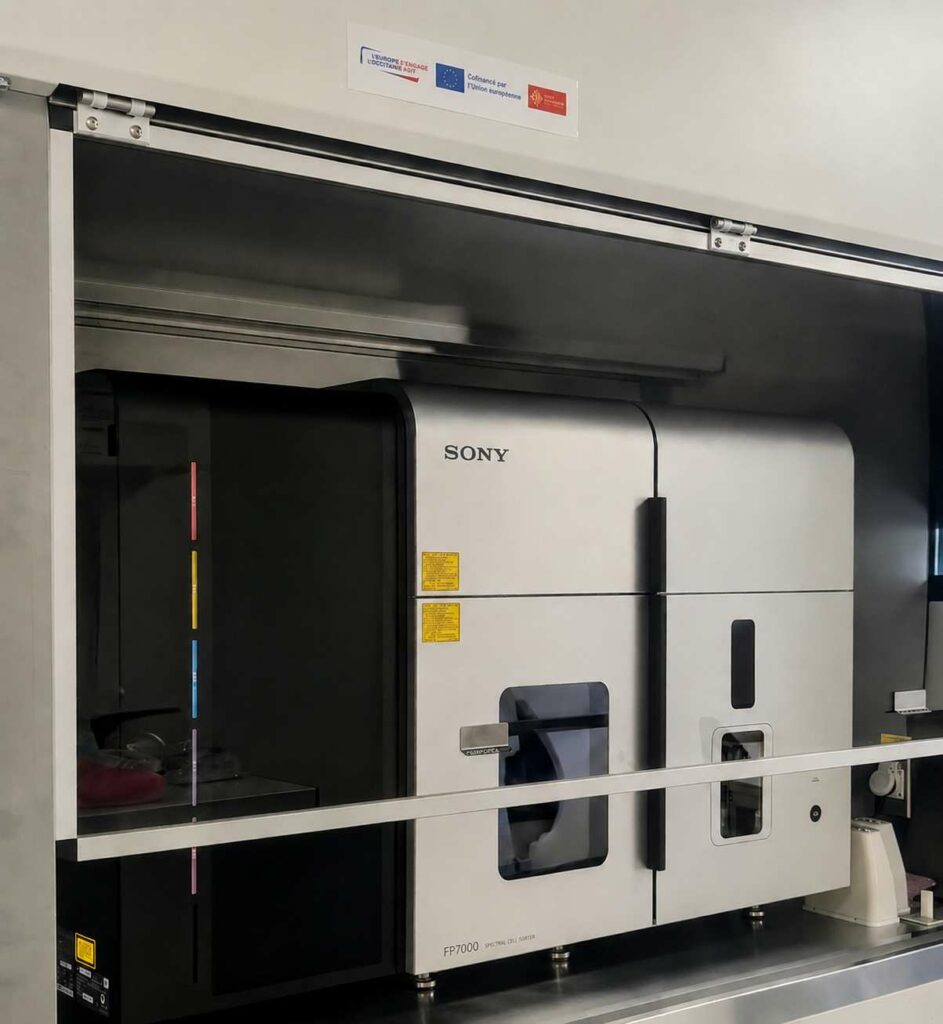
As part of the State-Region Plan Contract (CPER 2021–2027) in Occitanie, the GENOTOUL–TRI-PHO project funded the acquisition of an FP7000 spectral cell sorter for the INFINITy Cytometry and Cell Sorting facility. This funding, provided by the State, Inserm, Toulouse Métropole and the ERDF, contributes to strengthening the technology offering and enhancing support […]
Highlight in Imaging: AI for Addressing Scientific Challenges 🗓 🗺

The 4th edition of «Highlight in Imaging» will present recent work using fluorescence, electron and atomic force microscopy from Toulouse laboratories. This edition will focus on artificial intelligence approaches, with presentations illustrated by concrete examples produced by Toulouse scientists. Registration is free and compulsory Download the programme (PDF format) Contact Organising committee [...]
Cell Discoverer 7: New equipment demonstration at the LITC 🗓 🗺
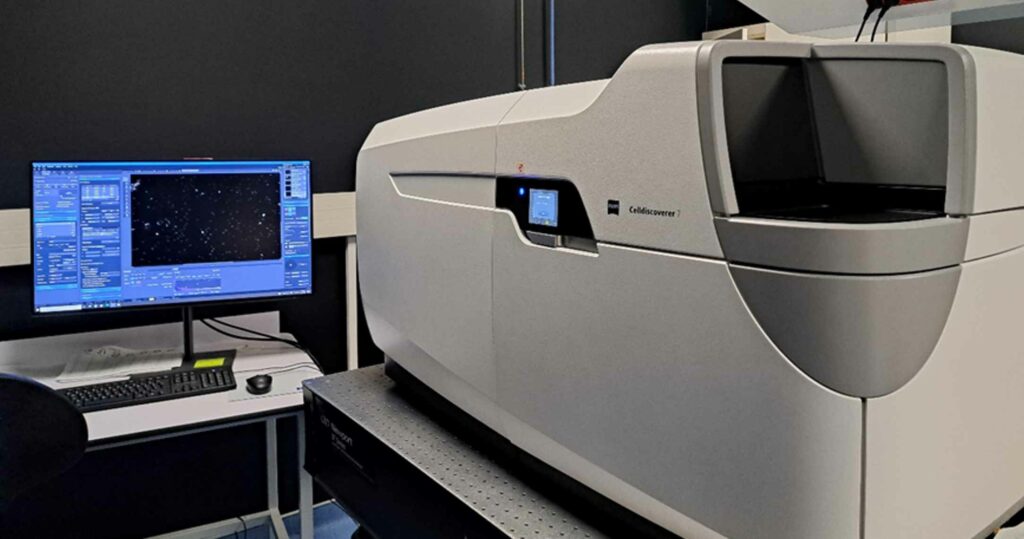
The imaging platform of the CBI (Centre de Biologie Intégrative – Toulouse) has just acquired a new microscope: the Cell Discoverer 7. This equipment, designed by ZEISS, is an automated widefield, high-content and medium-throughput imaging system. It operates in both epifluorescence and white light transmission. On this occasion, the team […]
Thomas Mangeat honoured with the CNRS crystal medal
Thomas Mangeat, CNRS research engineer at the Centre for Integrative Biology (CBI – CNRS, UT3), has just been awarded the CNRS Crystal Medal. This distinction honours research support staff who, through their creativity, technical expertise and sense of innovation, contribute alongside researchers and […].
Cancers: discovery of the DNA damage-induced D-chromatin compartment
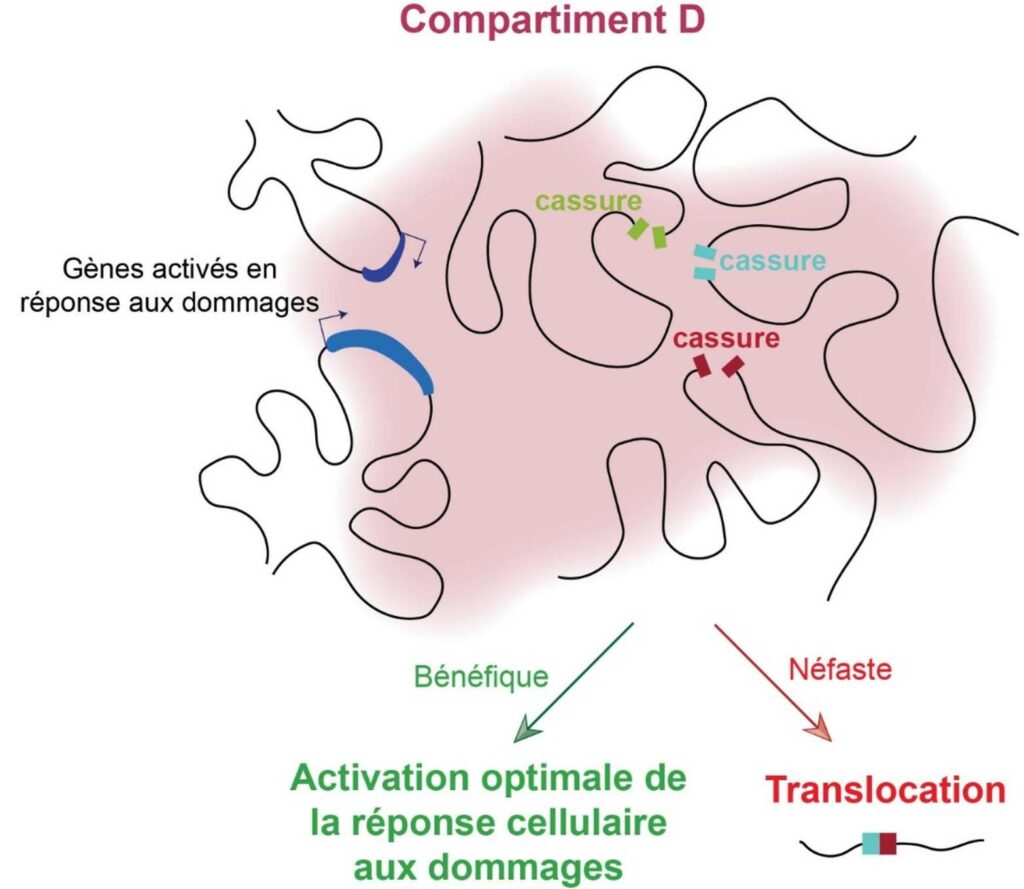
DNA double-strand breaks can lead to the appearance of translocations, which result from the exchange of genetic material between two chromosomes. Translocations can be the origin of cancers, but they can also be the consequence of chemotherapy treatments, thereby generating secondary tumours. The formation of translocations within our genome remains poorly understood [...]
THE PHENYX OPERA, the IRSD high-throughput confocal microscope
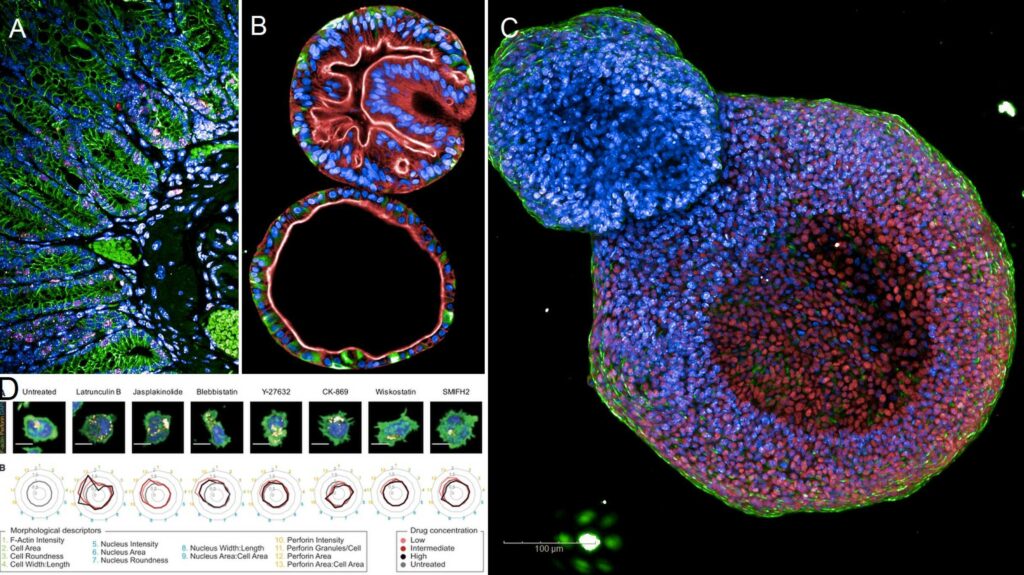
The Opera Phenix available on the IRSD Organoid platform is a spinning disk confocal microscope. It enables the acquisition of a wide variety of live or fixed samples (organoids, cells, tissues, bacteria, etc.) on plates or slides in a completely automated and rapid manner. Thanks to the presence of 4 cameras, it is possible to acquire 4 channels of [...]
The annual France BioImaging meeting in Toulouse 🗓 🗺
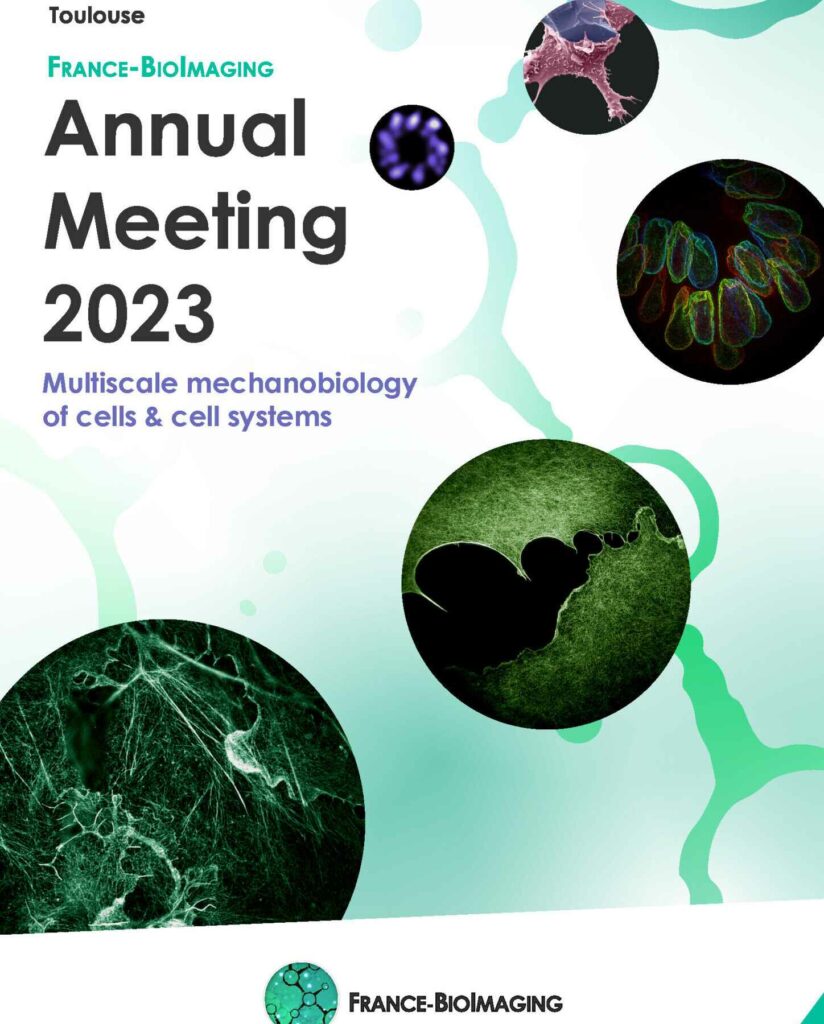
To mark the joining of TRI-Genotoul to the France BioImaging (FBI) network, the network's annual meeting will take place on the coming 13th and 14th of December at the Centre for Integrative Biology of the University of Toulouse 3 – Paul Sabatier. This gathering will be an opportunity to take stock of achievements and developments in the field of […]
The annual France BioImaging meeting in Toulouse 🗓 🗺
To mark TRI-Genotoul’s membership of the France Bioimaging (FBI) network, the network’s annual meeting will be held on the 13th and 14th December at the Centre for Integrative Biology at Toulouse 3 – Paul Sabatier University. The meeting will provide an opportunity to take stock of achievements and developments in the field of bioimaging at […]
A new platform within TRI
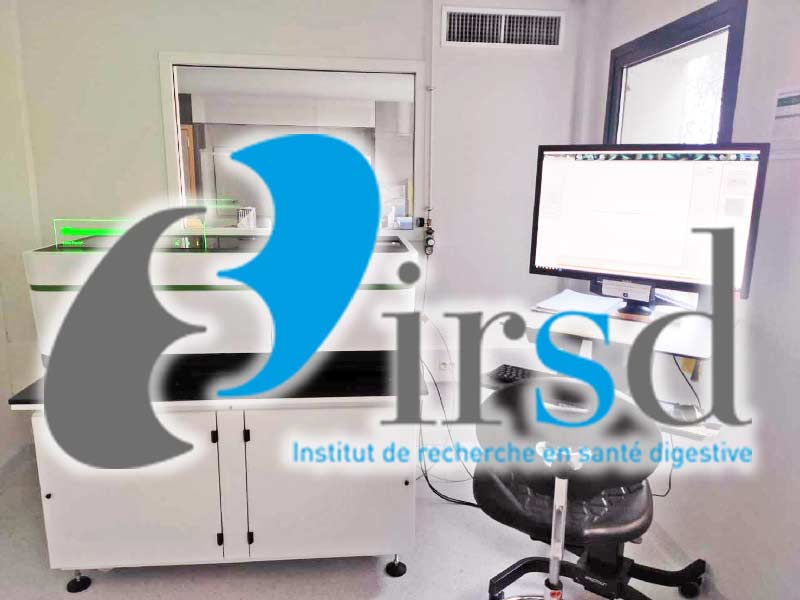
The Organoids platform of the IRSD (Digestive Health Research Institute), directed by David Sagnat and Nathalie Vergnolle, at the Purpan site is strengthening the TRI network. This platform creates in vitro and in three dimensions polarised epithelial mini-organs, also known as organoids, from stem cells isolated from biopsies or resections […]