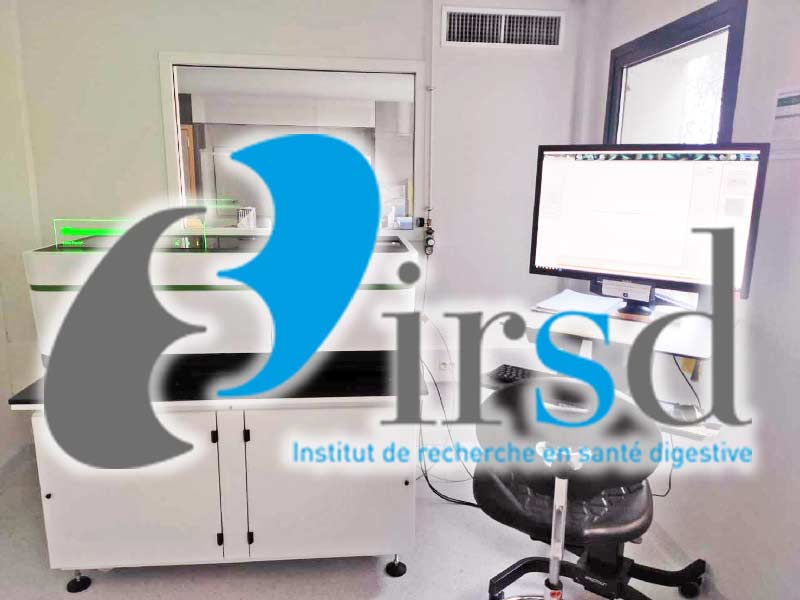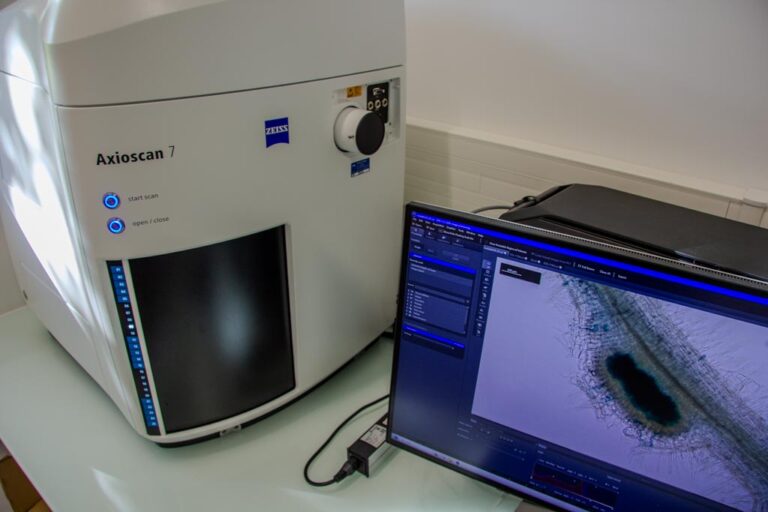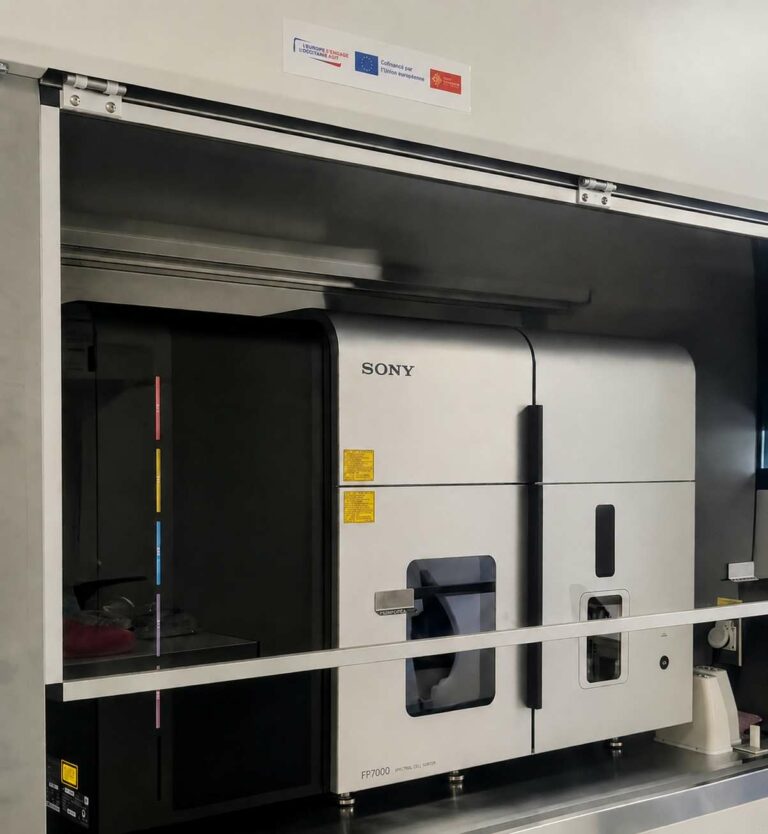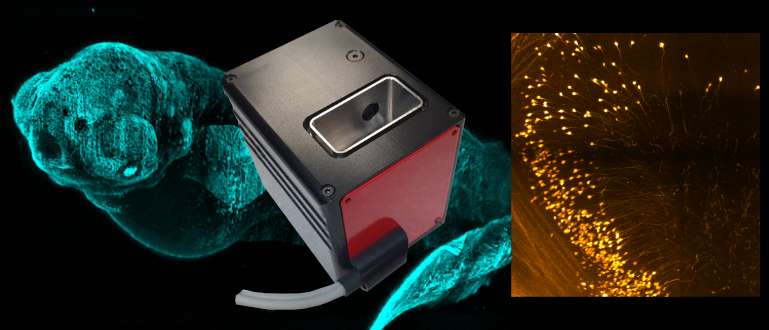

The Organoids platform of the IRSD (Digestive Health Research Institute), directed by David Sagnat and Nathalie Vergnolle, located at the Purpan site, reinforces the TRI network. This platform creates in vitro and in three dimensions polarised epithelial mini-organs, also known as organoids, from stem cells isolated from biopsies or resections from human patients or mice.
We specialise in colon organoids from healthy and inflammatory patients (Crohn's disease and ulcerative colitis) and have built up an organoid biobank of around 250 healthy and inflammatory patients, which we are continuing to grow, explains David Sagnat, operational manager of the platform. 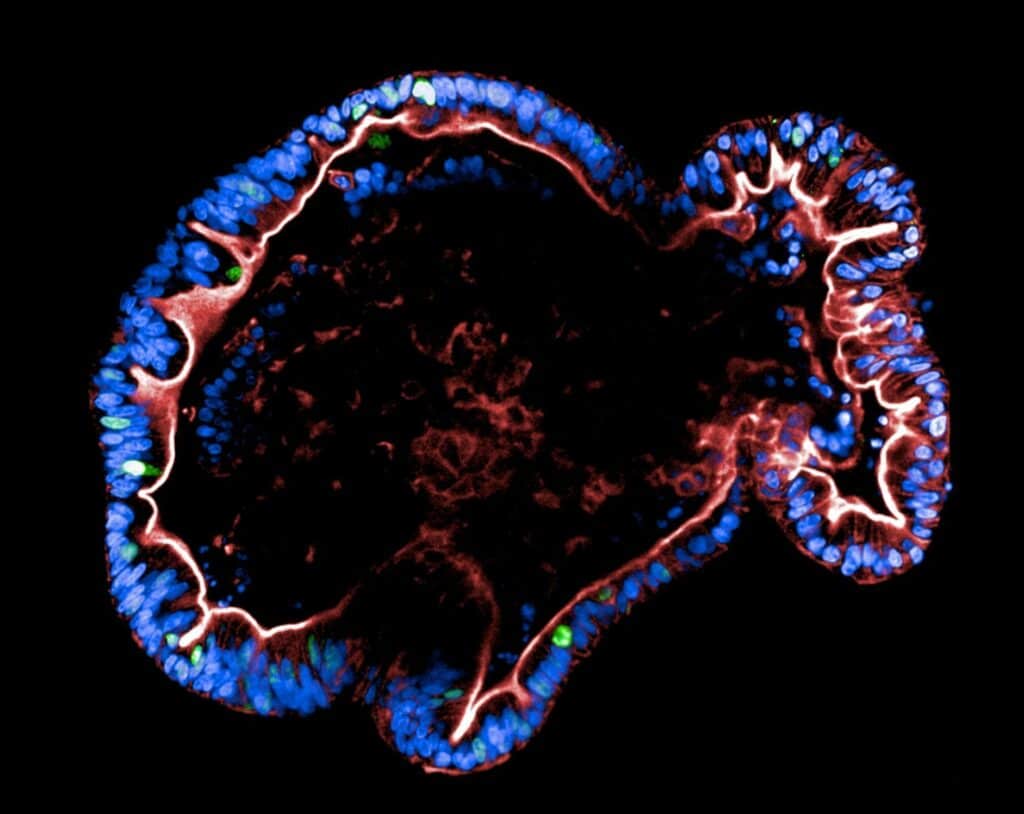 The platform also has a high-content screening system that allows us to acquire these kinds of structures: the Opera Phenix from Perkin Elmer. It makes it possible to analyse the morphology (size, thickness, perimeter, surface area) of numerous structures per whole plate (from 6 to 384 wells, slides, IBIDI, etc.) during a single acquisition in a completely automated manner.
We are currently using this technology for 3D structures (organoids) but of course also for 2D structures (neurones, lymphocytes, fibroblasts, etc.) for numerous users and projects.
Nathalie Vergnolle
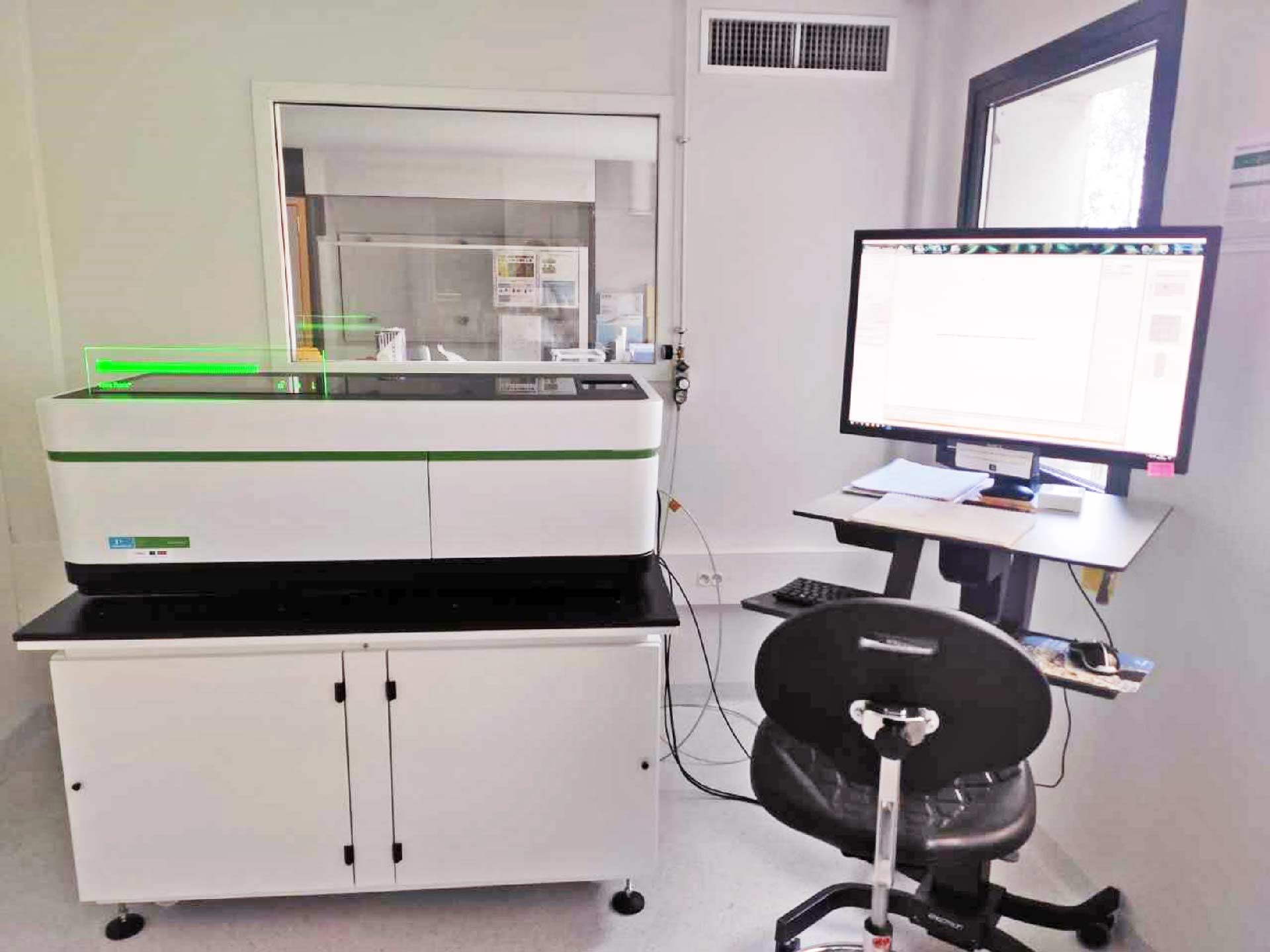 Currently, the organoids platform is made up of two members: Nathalie Vergnolle, scientific lead and director of the IRSD, and David Sagnat, operational lead. It will be strengthened from September 2023 by Astrid Canivet. Already familiar with TRI-Genotoul, she will become the dedicated person for supporting users on the Opera Phenix for training, acquisition and analysis.
Expertise
- 3D culture monitoring (imaging), immunofluorescence on organoids
- Use of a high-content screening imaging system (Opera Phenix – Perkin Elmer)
- Training on the use of the high-content screening device
Contact & booking: David Sagnat
Publications
- Thrombin modifies growth, proliferation and apoptosis of human colon organoids: a protease-activated receiver 1– and protease-activated receiver 4-dependent mechanism.
Sébert M, Denadai-Souza A, Quaranta M, Racaud-Sultan C, Chabot S, Lluel P, Monjotin N, Alric L, Portier G, Kirzin S, Bonnet D, Ferrand A, Vergnolle N.Br J Pharmacol. 2018 Sep;175(18):3656-3668. doi: 10.1111/bph.14430. Epub 2018 Aug 7. – PMID: 29959891- Patent: Urosphere – bladder organoids – Patent No. 19290013.2: Method for differentiating epithelial stem cells (Philippe Lluel, Xavier Game, Nathalie Vergnolle)