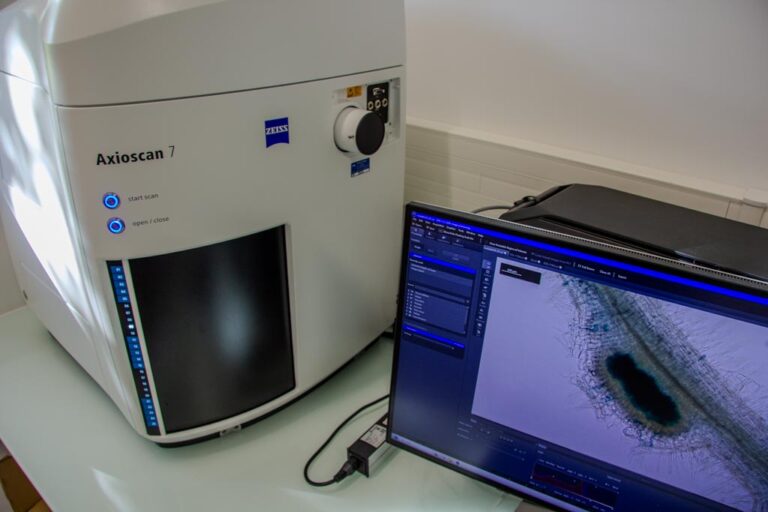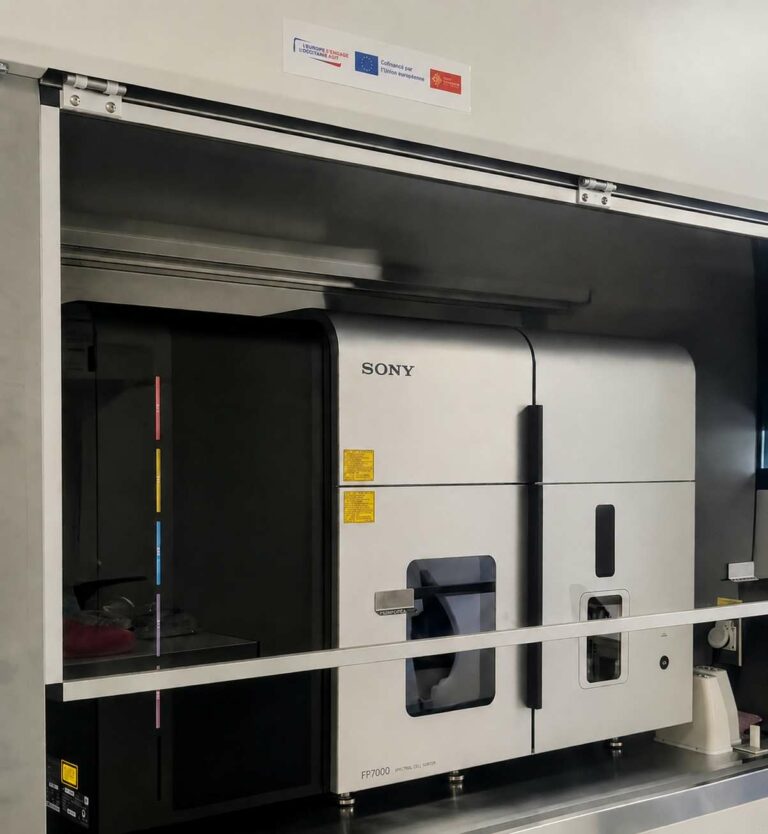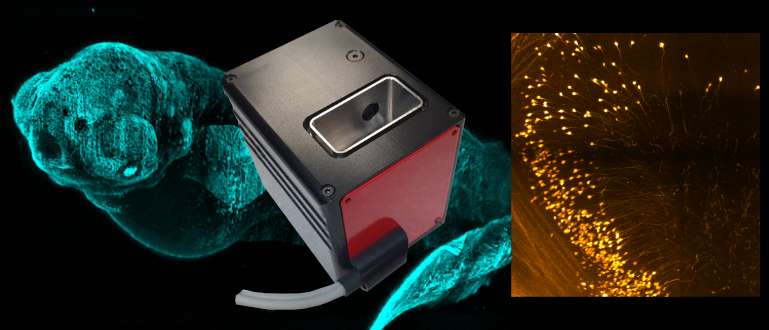


The company Antabio and the TRI-Genotoul imaging platform from the IPBS have just received a Feder funding to accelerate the development of therapeutic strategies against infections caused by the bacterium. Pseudomonas aeruginosa, A common pathogenic agent of chronic respiratory infections.
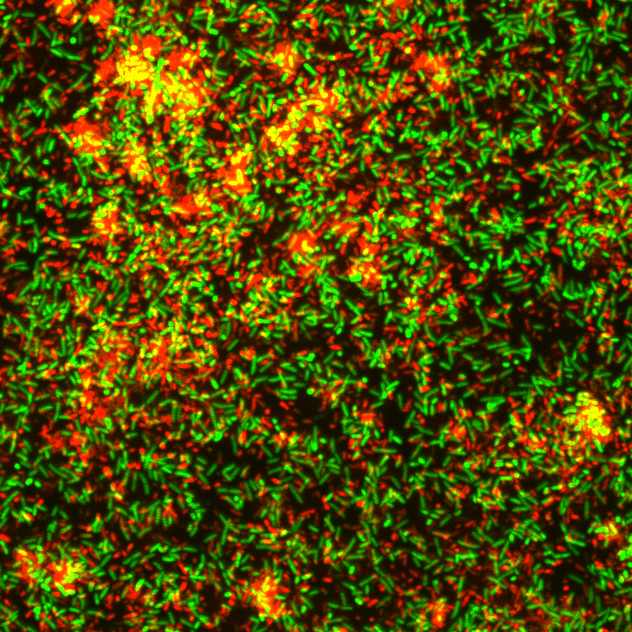
The resistance of bacteria to antibiotics is a major threat to human health. If this threat is not brought under control, the latest estimates estimate that by 2050 it will result in 10 million deaths annually. For this reason, this two-year collaboration project between Antabio and the IPBS has received support of more than €700,000 from the Occitanie/Pyrénées-Méditerranée Region and the European Regional Development Fund (ERDF).
Antabio is a biopharmaceutical company developing antibiotics, and the IPBS, an academic laboratory aimed at identifying and characterizing new therapeutic targets in the field of infectious diseases. This collaboration between Antabio and the imaging platform TRI-IPBS, a member of the TRI-Genotoul network, therefore aims, using high-resolution optical microscopy, to determine biomarkers related to the mode of action of anti-virulence drugs in order to block the formation of biofilms by P. aeruginosa.
This collaboration is a unique opportunity to develop high-resolution microscopy strategies to evaluate the efficacy of therapeutic solutions that block the formation of bacterial biofilms.
Antonio Peixoto, scientific responsible of the TRI-IPBS imaging platform.
Antabio is committed to developing new antibacterial treatments to combat drug-resistant infections caused by the priority pathogens of the World Health Organization. The complementary expertise that TRI-IPBS and Antabio provide allows for the accelerated development of truly innovative treatments for cystic fibrosis patients suffering from chronic respiratory infections caused by P. aeruginosa, a major unmet medical need.
Marc Lemonnier, CEO of Antabio.